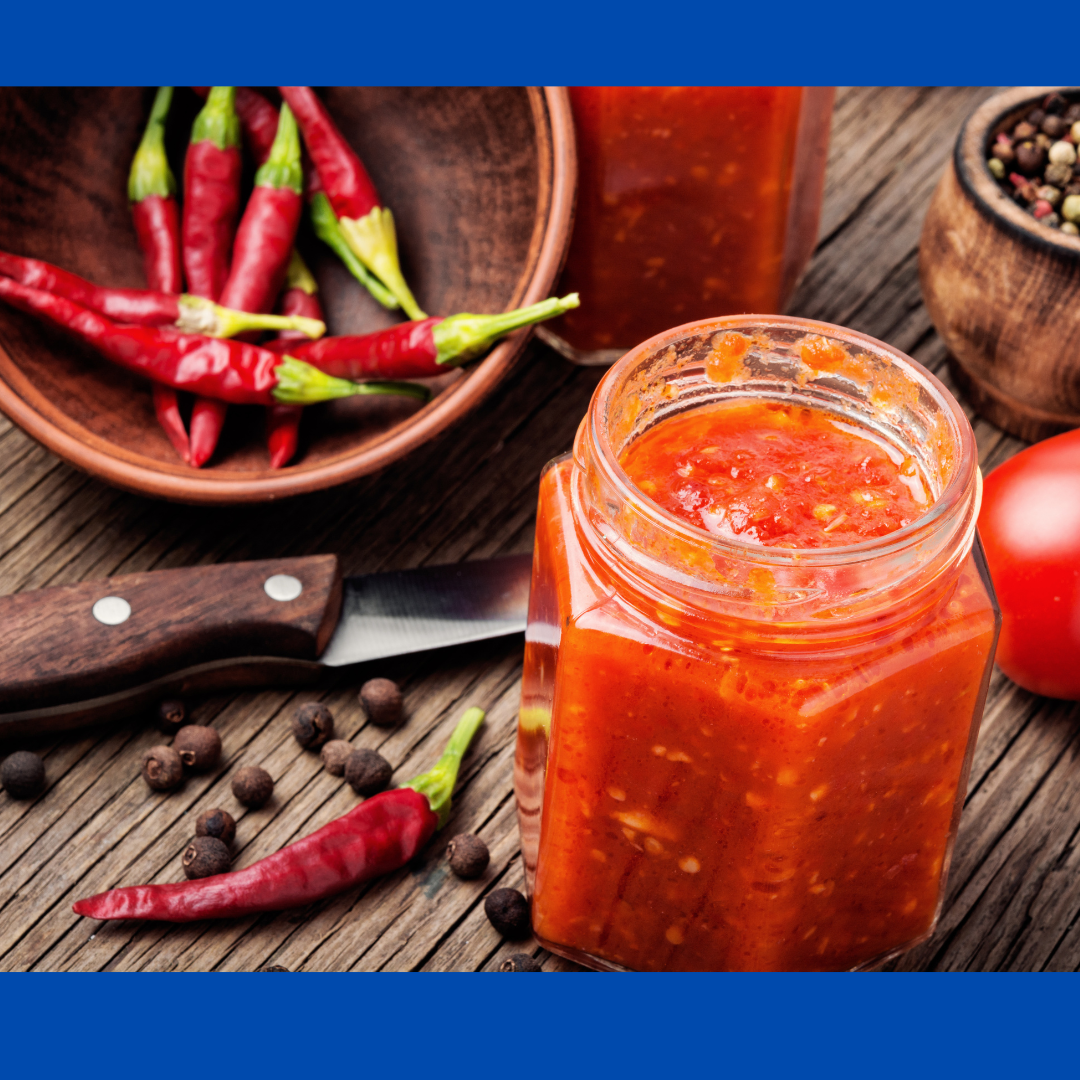
Spicy Foods and Ulcers – Is There a Connection?
“Is your love for spicy food burning a hole in your stomach? Let us get real.”
The Fiery Debate
Hot peppers. Curry. Chilli pepper. Hot sauce. If you are anything like me, you have probably had someone look at you in disbelief while you are chowing down on your favourite spicy dish and say, “You better be careful, that stuff will give you an ulcer.”
It is a warning that has been passed down for generations. We have all heard it. But here is the thing, just because we have been told something over and over does not mean it is true. So, does your love for spicy foods put you at risk of developing an ulcer? Or have we all been duped by another health myth?
Story Time
I remember one evening I was chatting with an old friend from school, Zainab, who had always been the life of the party. We were catching up over a video call, and she casually mentioned how she had recently been diagnosed with an ulcer. It was not a big deal to her at first, but she had to make some major changes to her diet.
“Can you imagine?” she said, laughing. “I used to be the queen of spicy food. Now the doctor says I have to avoid all that because it caused my ulcer.”
Her words hit me because, knowing Zainab, I could not picture her life without pepper-laden dishes. She was famous for ordering the spiciest plates in restaurants and making homemade dishes that could make your eyes water. Hearing that she thought spicy food had given her an ulcer made me stop in my tracks.
“What did the doctor say?” I asked, curious.
“Oh, the usual, that spicy food irritates the stomach and that is why I ended up with an ulcer. So, no more hot food for me,” she sighed.
I nodded, but something did not sit right with me. Growing up, I had heard the same thing, but as someone who loved spicy food myself, I had always wondered whether there was any truth to it. Was it just a fear passed down through generations, or was there actual evidence behind it?
That conversation stuck with me, and I could not shake the feeling that maybe we had all been misinformed. So, naturally, I did what most of us do these days when we want answers, I dove headfirst into research.
It did not take long before I stumbled across articles, studies, and medical reports that turned everything upside down. The more I read, the clearer it became.
The idea that spicy foods cause ulcers has been around for ages, and like many myths, it probably started because people noticed a connection between stomach pain and the heat from spicy food. When you feel that burning sensation after a particularly hot meal, it is easy to assume that the spice is doing damage.
However, this belief gained more traction in the mid-1900s when doctors struggled to figure out what caused ulcers. Back then, stress and diet were the prime suspects, and spicy foods fell into the category of “culprits.” But guess what? Medical science was still playing catch-up.
Here is where it gets interesting. For a long time, doctors believed that stress and spicy food could irritate the stomach lining and lead to ulcers. In a way, it made sense. But the truth is that they did not have the full picture back then. Fast forward to the 1980s, and research blew the lid off this theory.
Scientists discovered that most ulcers are caused by a bacteria called Helicobacter pylori (or H. pylori for short) and NOT by spicy foods. The myth lived on because, yes, spicy food can irritate an existing ulcer, making the symptoms worse. But causing one? Not so much.
The Truth About Spicy Foods and Ulcers: Drumroll Please...
Alright, you have stuck with me this far, and I will not hold out any longer. Here is the truth: Spicy foods do NOT cause ulcers!
The real culprits behind ulcers are bacterial infections (like H. pylori) and sometimes the overuse of nonsteroidal anti-inflammatory drugs (NSAIDs) like ibuprofen. Spicy foods can irritate an ulcer if you already have one, but they are not the cause. So, if your stomach is healthy, go ahead and add that extra pepper sauce to your jollof or pile on the suya spice without guilt.
Ulcers, specifically peptic ulcers, are sores that develop on the lining of the stomach, small intestine, or oesophagus. Contrary to popular belief, they are not caused by spicy foods. The primary causes of ulcers are:
- Helicobacter pylori (H. pylori) Infection: A bacteria that infects the stomach lining, leading to inflammation and eventually ulcers. This is the most common cause of ulcers.
- Nonsteroidal Anti-Inflammatory Drugs (NSAIDs): Frequent use of NSAIDs like ibuprofen, aspirin, or naproxen can irritate and damage the stomach lining, leading to ulcers.
- Excess Stomach Acid: Conditions that cause the stomach to produce too much acid, such as Zollinger-Ellison syndrome, can also lead to ulcers.
- Smoking and Alcohol Consumption: These habits can weaken the stomach's natural defenses against acid, increasing the risk of ulcers.
- Stress (Indirectly): While stress does not directly cause ulcers, it can aggravate symptoms or delay healing if you already have an ulcer.
In most cases, ulcers are treated by eliminating H. pylori with antibiotics, reducing stomach acid with medications, and avoiding NSAIDs.
So, flashback to the storytime, I was shocked. All this time, people like Zainab (and honestly, me too) had been avoiding our favourite foods, believing that they were to blame for ulcers when it was not true at all. That conversation with her was the spark that led me to debunk the myth for myself, and I had to call her back immediately to share what I had found.
“Zainab, guess what?” I said as soon as she picked up.
“Spicy food did not give you that ulcer. It is something else entirely.”
That call was the start of a deeper dive into the misconceptions we have all been fed about food and health. And that is how I began to see just how much misinformation we often take as fact.
Conclusion: Keep the Spice, Ditch the Fear
In the end, it is time we put this myth to rest. For too long, we have been blaming our beloved spicy dishes for a condition they have no role in creating. Yes, balance is key, and if you have an existing ulcer, it is smart to avoid food that aggravates it. But for the rest of us, the next time someone tells you that spicy food is burning a hole in your stomach, you can hit them with the facts.
Let us stop spreading misinformation. Share this blog, drop it in your group chat, and educate someone the next time they bring up this spicy myth. And while you are at it, do not shy away from that extra hot pepper in your ramen. Your stomach can handle it.
Leave us a Comment