Does Eating Fat Make You Fat?
What if the very thing you have been avoiding on your plate could be the key to a healthier you?
In the heart of Lagos, my family sits down to feast as it is a tradition every Christmas. The table is full of mouthwatering dishes like jollof rice with fried plantains, egusi soup, groundnut stew, and fufu. I noticed something. My cousin, who has been religiously following the latest diet trend, gently scooped aside the oily bits of the soup. She looks at me and says, “I am watching my weight. I can not afford all this fat.”
In African households, food is more than just sustenance, it is culture, connection, and community. Yet, there is one thing that often leaves us torn, the fat content in our favorite meals. Many of us have been conditioned to think that the rich palm oil in our soup, the coconut milk in our curry, or the groundnut sauce on our meat are the very ingredients that make us gain weight.
At that moment, it struck me. How many of us have been conditioned to fear fat? From hearing whispers about how it “clogs arteries” to outright claims that eating fat will make you fat, we’ve been bombarded with these messages for as long as we can remember.
The Origination of the Myth
The story goes back to the 1950s, a time when health professionals were uncovering the link between heart disease and lifestyle. A few studies emerged, suggesting that dietary fat, particularly saturated fat, was the primary cause of weight gain and cardiovascular issues. These findings made headlines, and soon, the low-fat diet craze exploded.
Food manufacturers seized the moment. “Low-fat” and “fat-free” labels flooded grocery stores, often replacing fat with sugar or processed fillers to make food more palatable. The fear of fat had officially taken hold.
But here is where it gets interesting, despite our collective avoidance of fat over the next few decades, obesity rates kept climbing.
Common Misconceptions About Fat
It wasn’t just that eating fat makes you fat, this myth brought along some friends. People started believing things like:
- All fats are the same: This misconception lumps unhealthy trans fats with beneficial fats found in nuts, seeds, and fish, despite them having vastly different effects on the body.
- Low-fat equals healthy: Foods labeled “low-fat” or “fat-free” can still be packed with sugars and refined carbs, which are just as likely, if not more, to cause weight gain.
- Avoid fat if you want to lose weight: Many assume that cutting out fats is the fastest way to shed pounds, but fats play an important role in feeling full and satisfied, which helps control overeating.
The Truth About Fat
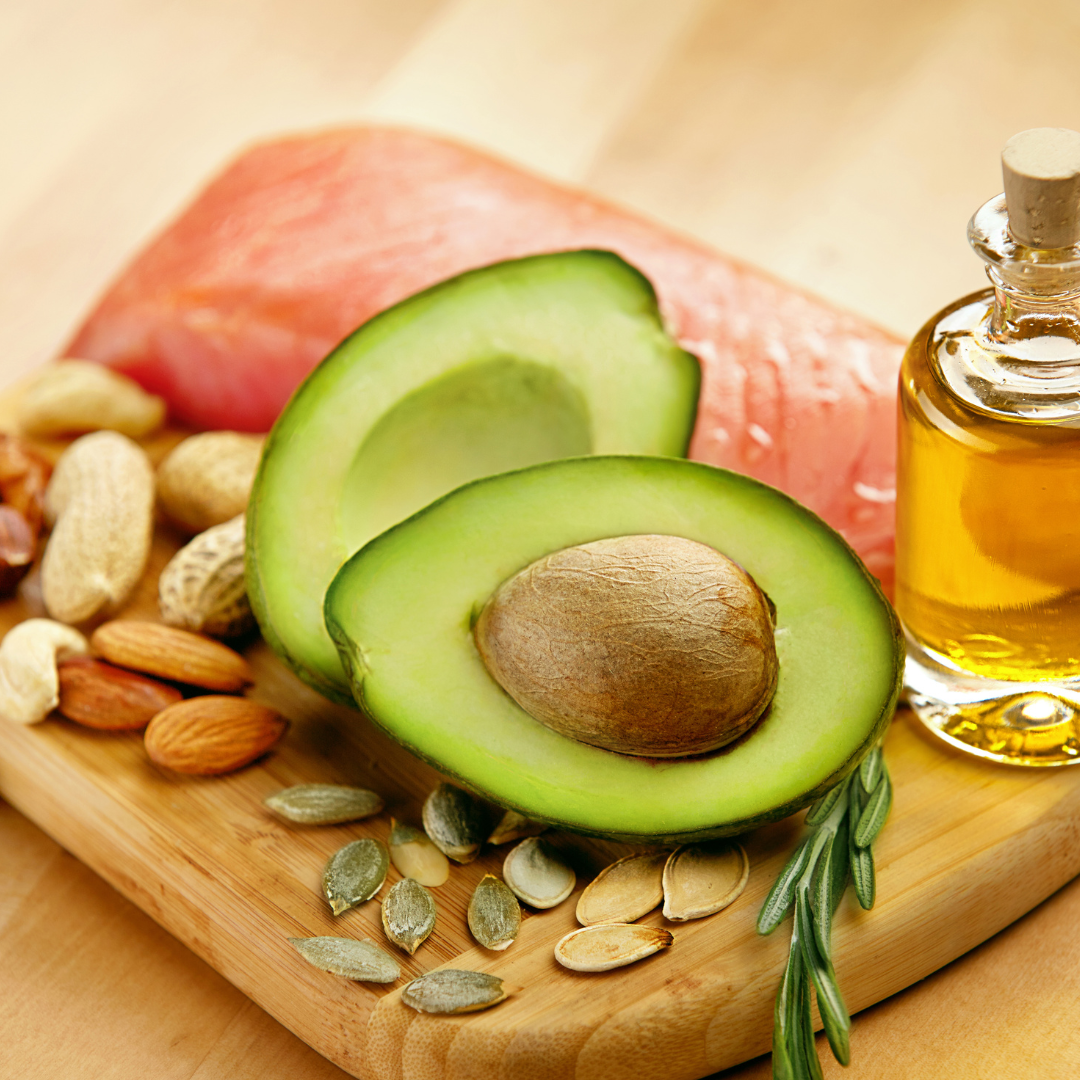
Eating fat doesn’t make you fat. Our bodies need healthy fats to function properly. They provide energy, support cell growth, protect organs, and help absorb key nutrients. Studies have shown that including good fats in your diet can aid in weight management, reduce cravings, and even boost metabolism.
Fat itself is not inherently the cause of weight gain, rather it is the excess consumption of calories, regardless of whether those calories come from fats, carbohydrates, or proteins. When we consume more calories than our body uses for energy, the surplus is stored as fat. This can lead to weight gain over time. It is important to distinguish between healthy fats such as those found in avocados, nuts, seeds, and olive oil and unhealthy fats like trans fats and some saturated fats, as healthy fats play essential roles in brain function, hormone regulation, and overall well-being. A balanced intake of nutrients, combined with an appropriate calorie level, is key for maintaining a healthy weight and body function.
So the next time someone tells you that eating fat will make you fat, share this story with them and maybe even offer them a spoonful of peanut butter!
Leave us a Comment