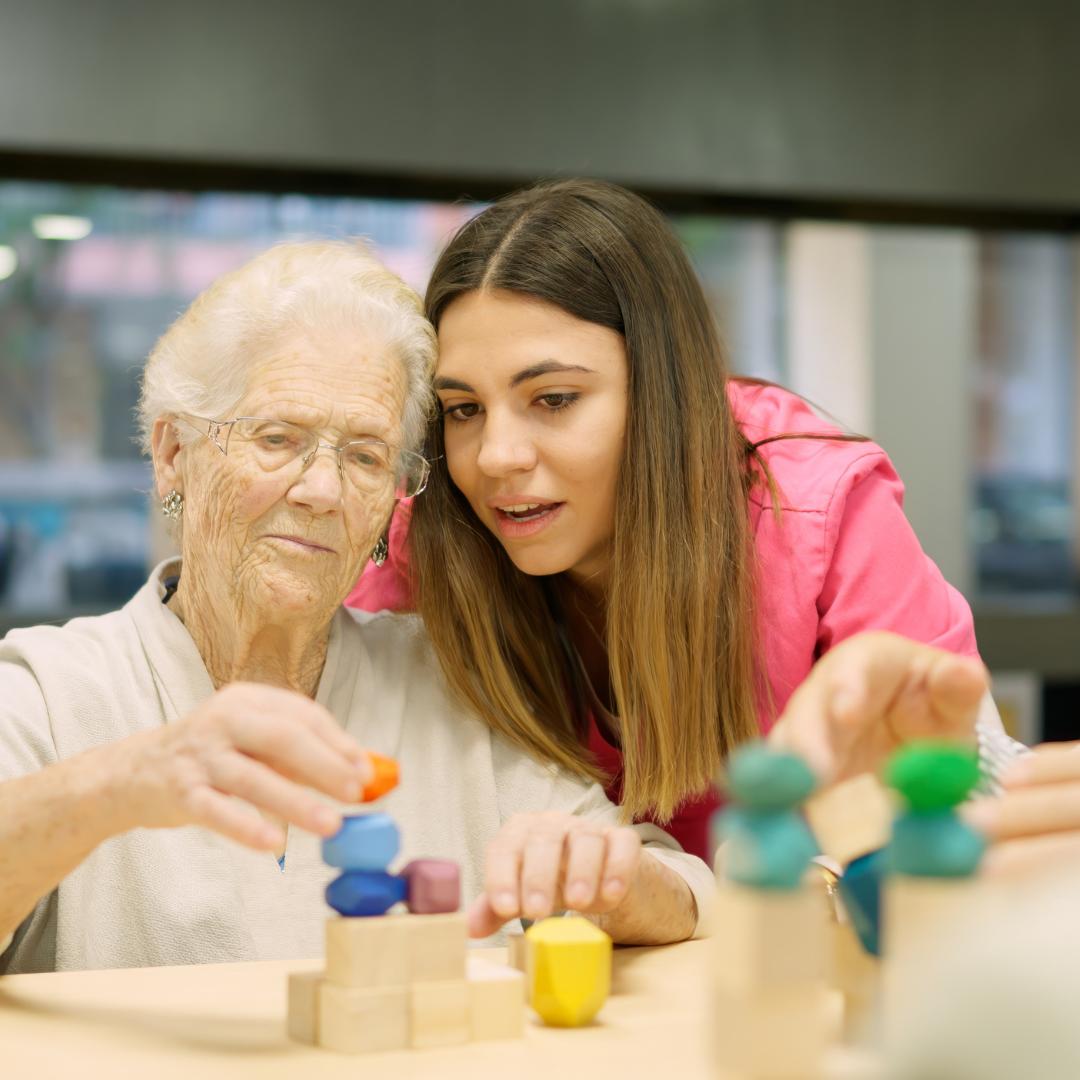
Can Age Hold You Back?
Have you ever heard the saying, "You cannot teach an old dog new tricks"? It is a common expression that implies that learning new things becomes increasingly difficult as we age. This popular belief is deeply ingrained in many societies, passed down from generation to generation, spreading the notion that as we grow older, our ability to learn and adapt diminishes. But how did this idea take such a firm root in our minds, and more importantly, is it true?
Historically, the concept of lifelong learning was not common. In earlier times, societies had distinct roles for each age group. Young people were learners and apprentices, middle-aged individuals applied their skills, and older generations were the keepers of wisdom, passing down knowledge rather than acquiring it. The divide between learning and age seemed clear-cut. If you had not learned it young, you were unlikely to pick it up later.
This belief was further supported by early studies of brain plasticity. For many years, scientists believed that the brain's capacity to change and adapt (neuroplasticity) significantly diminished after childhood. Such studies, coupled with cultural norms, gave rise to the myth that older adults could not learn new skills effectively. But are our brains truly limited by time? Let us find out.
The Science Behind Lifelong Learning
Now imagine two people, both in their late 60s. One is a retired accountant who spends most of their days watching television and reading the newspaper. The other is a passionate artist who has recently taken up pottery and has been painting for years. Both individuals have aged, yet their cognitive abilities differ significantly. Why?
Recent research has flipped this narrative on its head. Neurological studies have proven that the brain is far more adaptable than we once thought. It turns out, our brains maintain plasticity well into old age. According to a study by Harvard Medical School, older adults can indeed learn new skills, and the act of learning itself helps preserve and even enhance cognitive function.
Statistical Evidence
Consider some fascinating research findings:
- Language Acquisition: Studies have shown that adults can learn new languages just as effectively as children, even when they start later in life.
- Musical Proficiency: Older adults can develop impressive musical skills, including playing instruments and singing, with consistent practice.
- Cognitive Training: Brain training exercises have been shown to improve cognitive function, including memory, attention, and problem-solving skills, in older adults.
Real-Life Examples: Where Age Is Just a Number
Colonel Harland Sanders is a prime example of someone who defied the age-old myth that "you cannot teach an old dog new tricks." He did not start his iconic fried chicken empire until he was in his 60s. Closer to home, Captain Tom Moore, a British war veteran, became a global sensation by raising money for COVID-19 relief efforts at age 99.
Why Learning Later in Life Is Beneficial
Learning in old age can provide more benefits than in youth. Here’s how:
- Mental Health: Engaging in new activities keeps the brain active, reducing the risk of dementia and cognitive decline.
- Social Connections: Classes and group activities foster new friendships and connections, vital for emotional well-being.
- Sense of Purpose: Mastering new skills helps older adults feel accomplished and valuable, improving their self-esteem and quality of life.
A Breakthrough Revelation
The myth that you cannot learn new skills at an old age is just a myth. Modern science, real-world examples, and personal experiences have proven otherwise. Older learners often have an edge. With decades of experience, they approach problems with a level of wisdom and patience that younger generations might lack.
So, grab that guitar you've always wanted to play, sign up for that online class, or dust off that book on web design. Learning is not bound by age but by the limits we place on ourselves. The moment you decide to grow, you're already ahead of time.
Leave us a Comment