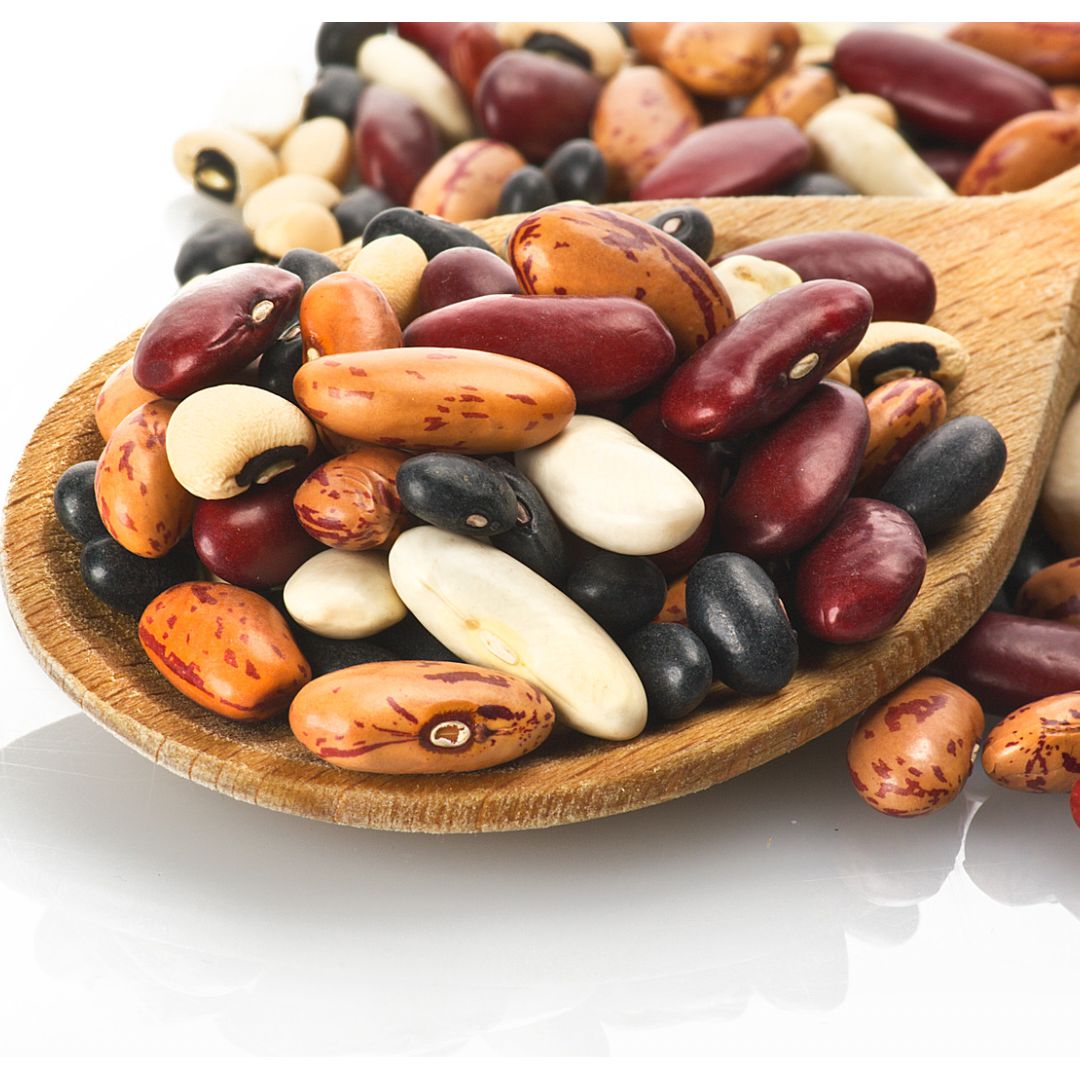
Packed with Protein, but Carbs take the lead!
I remember this one family dinner vividly. My cousin, Sarah, was on a strict fitness journey and had developed a fascination with tracking her macros. That night, she loaded her plate with beans, confidently telling us, “These are packed with protein. I need all that energy for my workouts.”
We all stared, intrigued, as Uncle Tony, the family dietitian, chuckled. "Sarah, you might want to adjust your macros, though, because beans have more carbs than protein."
Sarah was confused, and to be honest, so was I. How could something hailed as a 'protein source' in plant-based diets pack more carbs?
Uncle Tony, with his usual enthusiasm for food education, decided to enlighten us all. He started by explaining how beans, especially legumes like black beans, lentils, and chickpeas, are staples in vegetarian diets. Their reputation as a good protein source made them a go-to for anyone looking to replace or supplement meat. But here is the fact: while beans do contain a decent amount of protein, they pack in even more carbohydrates.
To illustrate his point, Uncle Tony whipped out his notepad and wrote down some numbers, turning our attention to the nutritional profile of beans. We were soon mesmerized by the surprising facts he shared:
| Beans Type | Protein (gram per 1 cup, cooked) | Carbohydrate (gram per 1 cup, cooked) | Fiber (gram per 1 cup, cooked) |
|---|---|---|---|
| Black Beans | 15 | 40 | 15 |
| Chickpeas | 14.5 | 45 | 12.5 |
| Lentils | 18 | 40 | 15.6 |
Real-Life Facts About Beans:
- Global Consumption: Beans are one of the most widely consumed foods in the world, particularly in regions like Latin America, Africa, and Asia. They are a crucial source of nutrition for millions.
- Nutrient Density: A 2019 study published in the Journal of Nutrition found that legumes, including beans, are nutrient-dense foods, providing high levels of protein, fiber, and essential micronutrients while being low in fat.
- Heart Health: According to the American Heart Association, regularly consuming beans can help lower blood pressure and cholesterol levels, contributing to better heart health.
As we absorbed the information, we began to realize the truth: beans are not just protein powerhouses but also carbohydrate champions. Uncle Tony pointed out that a typical serving of black beans has around 15 grams of protein but over 40 grams of carbohydrates. That is nearly three times more carbs than protein.
The Science Behind Beans
“Now, do not get me wrong,” Uncle Tony continued, “the carbs in beans are mostly complex carbs, which means they are beneficial for slow energy release. This is a stark contrast to the simple carbohydrates found in sugary foods that spike blood sugar levels.”
He went on to explain the benefits of the complex carbohydrates found in beans:
- Steady Energy Release: Complex carbs in beans are digested gradually, providing a steady energy supply without the blood sugar spikes and crashes that come from simple sugars.
- High Fiber Content: A major portion of the carbohydrates in beans comes from fiber, which is not fully digested. Fiber helps regulate the digestive system, supports gut health, and aids in keeping you full for longer periods.
“Interestingly,” Uncle Tony added, “in most beans, carbohydrates can account for anywhere between 60% to 70% of the calorie content.”
As we listened, I could see the gears turning in Sarah’s head, processing this newfound information.
"Now, while beans do have more carbs than protein, this is not a negative aspect of their nutrition profile," Uncle Tony clarified. "In fact, it is what makes beans a superfood."
Why the Carbohydrate Content of Beans is Beneficial:
- Long-Lasting Energy: The slow digestion of carbs provides sustained energy, which is especially beneficial during physically demanding activities.
- Promotes Digestive Health: The fiber content helps regulate blood sugar, supports heart health, and prevents overeating by promoting satiety.
- Nutrient-Dense: Beans are not just high in carbs and protein but also packed with essential vitamins and minerals like iron, magnesium, potassium, and folate.
The Takeaway
As Uncle Tony wrapped up his lecture, the atmosphere shifted from confusion to clarity. Sarah was still processing, but I could see a lightbulb moment happening. “So, beans are not just a plant-based protein source?” she asked.
“Exactly! They offer a balance of nutrition,” Uncle Tony replied with a smile. “When preparing your meals with beans, remember that you are getting a healthy dose of carbohydrates and fiber along with protein. Understanding this balance can help you plan your meals better, whether you aim to up your protein intake or manage your carb consumption.”
We left the table that night with a new appreciation for beans, realizing they truly are a powerhouse in their own right. Uncle Tony’s engaging lecture had debunked the myth that "beans are mostly protein" and illuminated the complexity of their nutritional profile.
Healthy Diet Tip:
If you are looking to balance your macronutrient intake, consider pairing beans with a source of healthy fats or protein. For instance, combining beans with avocado or serving them with grilled chicken can enhance the nutritional profile of your meal while providing sustained energy. This combination can help you feel full longer and stabilize your blood sugar levels.
So, the next time you are enjoying a hearty bowl of beans, remember, balance is everything, even in a bowl of beans.
Leave us a Comment